University of Georgia

About CURO

Why undergraduate research?

“Because of their positive effects on student learning and retention, special undergraduate opportunities such as … research with a faculty member and culminating senior experiences are called high impact practices.” (National Survey of Student Engagement 2010)

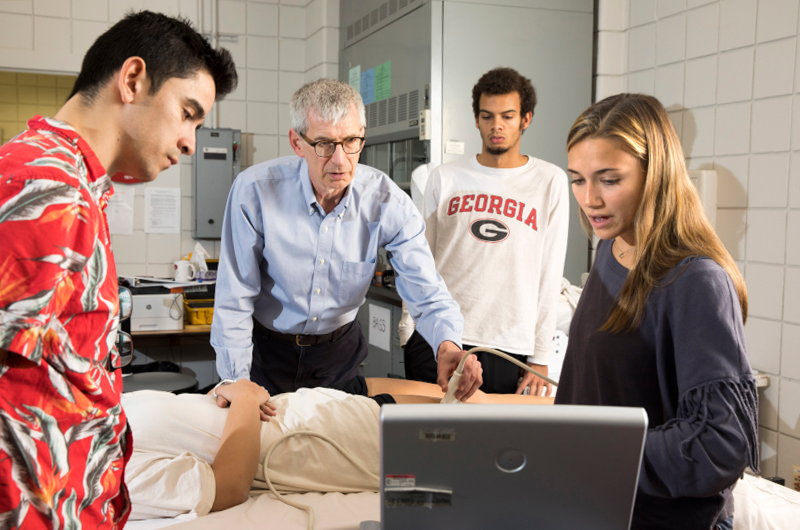
High-impact practices share several traits: They demand considerable time and effort, provide learning opportunities outside of the classroom, require meaningful interactions between faculty and students, encourage investigation and critical thinking, and provide frequent and meaningful feedback.

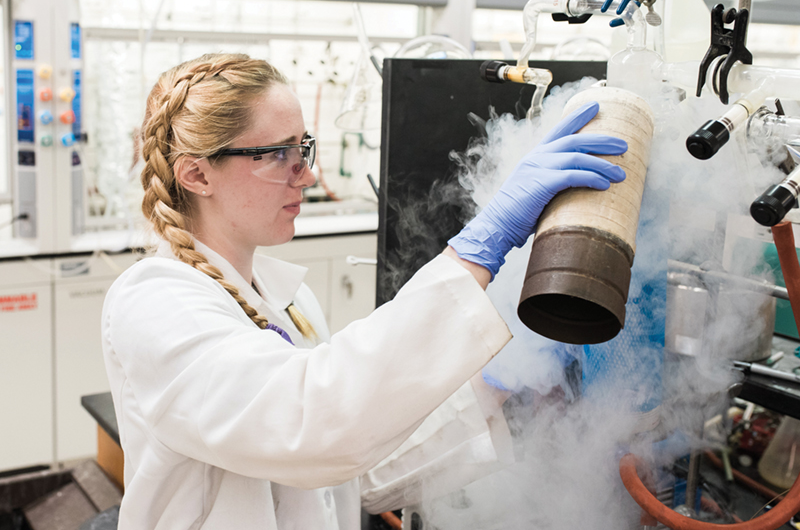
Pursuing research is a challenging endeavor for both seasoned and beginning researchers alike: from deciding on a topic, to establishing protocol and methodology, from analyzing data, to pursuing further research of the topic, research poses many challenges.  And research is not limited to one discipline or department. At UGA, faculty pursue research across the disciplines, from the sciences and humanities, to the social sciences and the performing arts.

But the insight to be gained in meeting these challenges can be transformative.


Why pursue research through CURO?

Research through CURO is sustained, progressive, and faculty-mentored. These three qualities underpin all CURO offers.

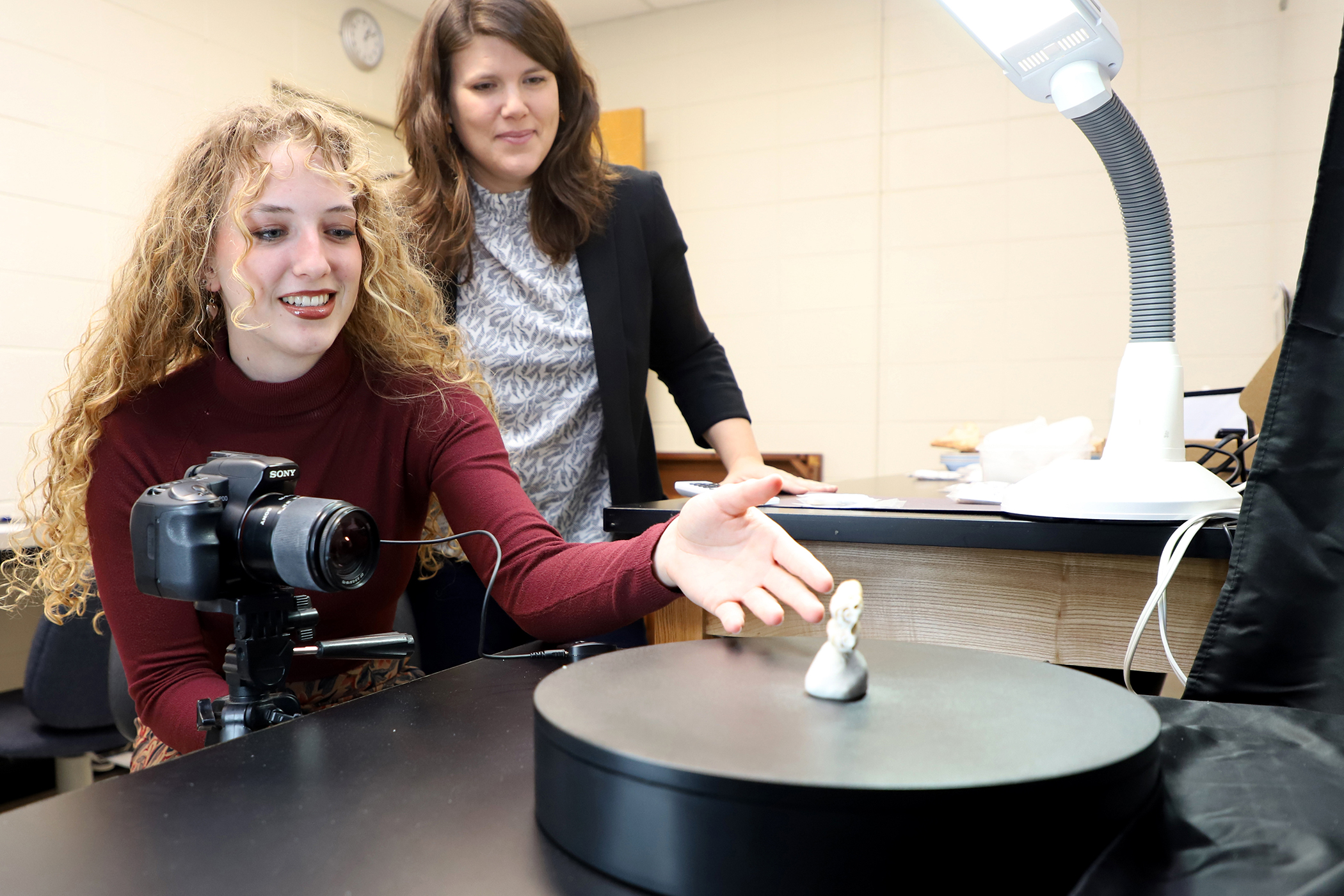
Through CURO, undergraduates can pursue faculty mentored research, regardless of discipline, major or GPA as early as their first year.

CURO’s purpose is simple: facilitating opportunities for undergraduate students to pursue research with premiere faculty mentors and share their accomplishments with the campus community and beyond.

Our programming supports students in identifying and selecting opportunities, choosing a mentor, and presenting and publishing their work.

Through CURO, undergraduates can

  1. create a self-selected research career, allowing them to earn credit hours, present at the Symposium, and compete for funding and publishing opportunities.
  2. gain access to presenting (Symposium); funding (Summer Fellowships, Conference Travel Award) and publishing (JURO, research thesis) opportunities.
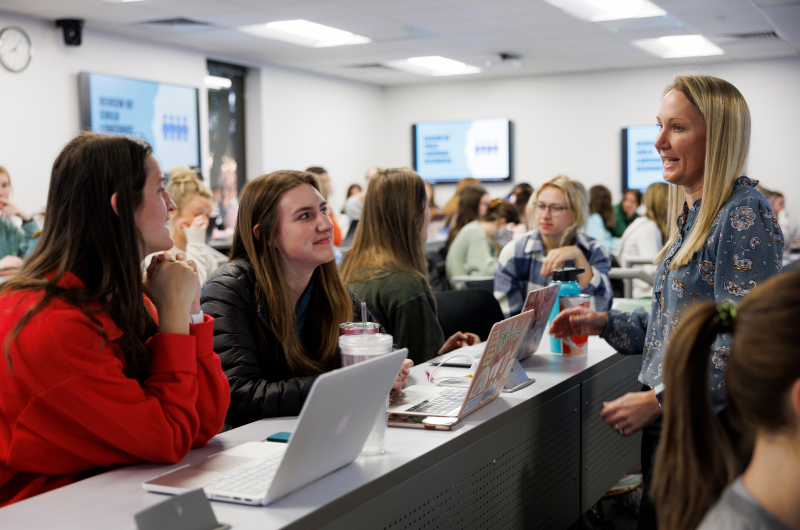
  3. form a mentoring relationship focused on conducting research and professional development.
  4. develop a deeper understanding of their chosen field by working closely with a research faculty mentor.